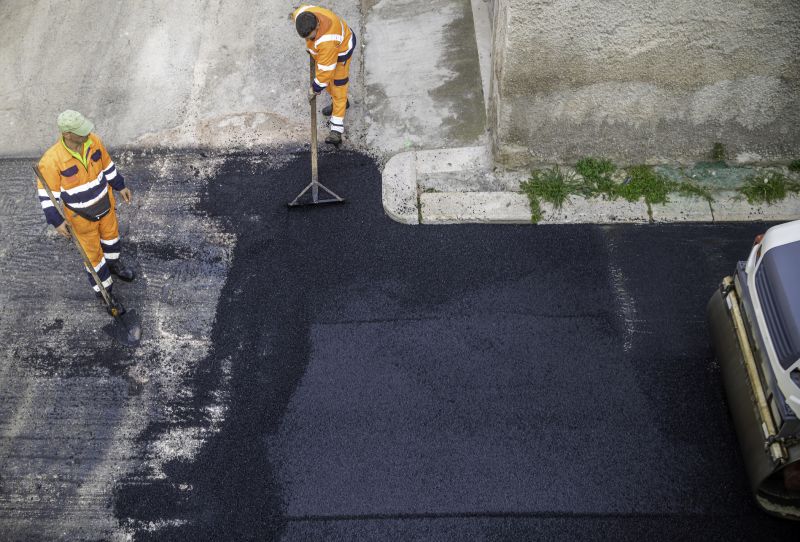
Highway Resurfacing in Little Rock, AR
Highway resurfacing services involve restoring and renewing existing roadways to improve their durability, safety, and appearance. This process typically includes removing the top layer of worn or damaged pavement and replacing it with fresh asphalt or similar materials. Projects can range from repairing sections of residential streets to large-scale highway overhauls, ensuring smooth and reliable travel routes for vehicles. Property owners interested in this service should consider the current condition of their pavement, the scope of the project needed, and any specific requirements for traffic management or environmental considerations before requesting a resurfacing solution.
Understanding the extent of deterioration, such as cracks, potholes, or surface erosion, is essential when planning highway resurfacing. Homeowners and property owners usually want to know how the process will impact their property, including any necessary preparations or disruptions during the work. It’s also helpful to inquire about the type of materials used, the longevity of the resurfacing, and any maintenance recommendations to maximize the lifespan of the new surface. Clear communication about these details can ensure the project meets expectations and results in a long-lasting, safe roadway.
Many property owners in Little Rock, AR look into Highway Resurfacing for repairs, replacements, upgrades, and appearance-related improvements.
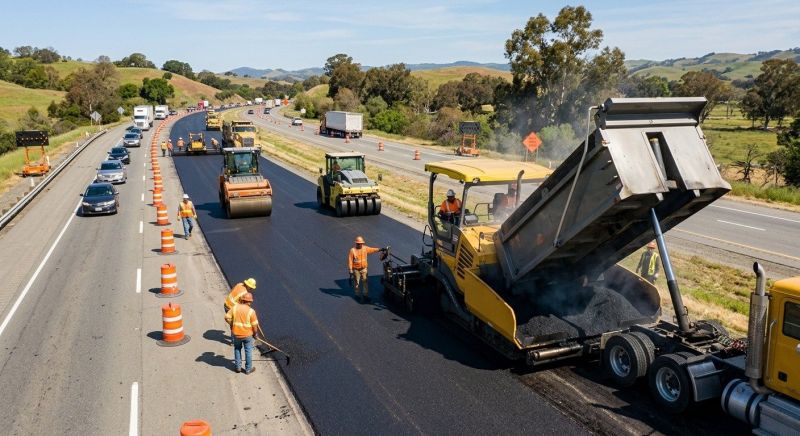
Benefits Of Highway Resurfacing
Resurfacing improves road safety and extends the lifespan of the pavement.
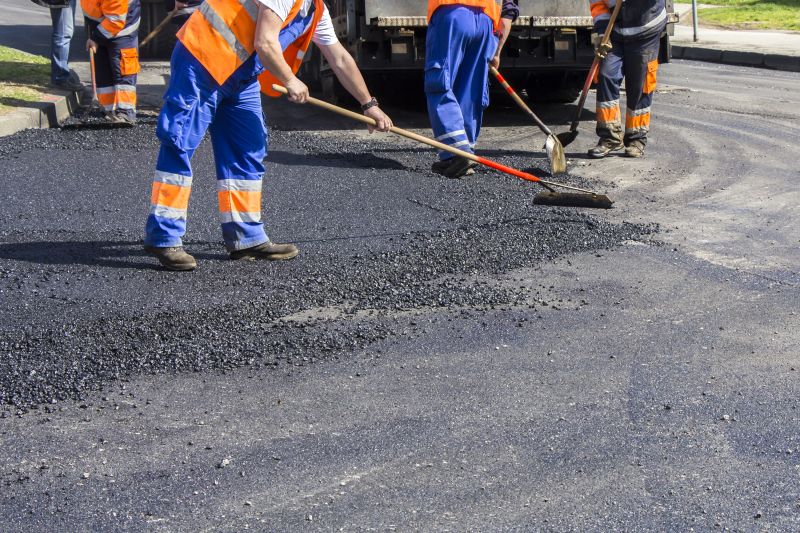
Common Resurfacing Projects
Typical projects include highway upgrades, parking lot repairs, and rural road improvements around little rock.
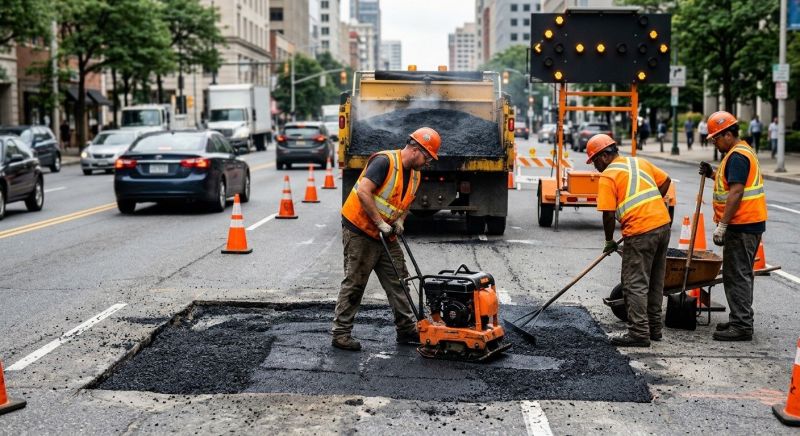
What To Expect During Resurfacing
The process involves removing old pavement, preparing the surface, and applying new asphalt for a smooth finish.
Highway Resurfacing in Little Rock, AR

Highway resurfacing services involve restoring and renewing existing roadways to improve their durability, safety, and appearance. This process typically includes removing the top layer of worn or damaged pavement and replacing it with fresh asphalt or similar materials. Projects can range from repairing sections of residential streets to large-scale highway overhauls, ensuring smooth and reliable travel routes for vehicles. Property owners interested in this service should consider the current condition of their pavement, the scope of the project needed, and any specific requirements for traffic management or environmental considerations before requesting a resurfacing solution.
Understanding the extent of deterioration, such as cracks, potholes, or surface erosion, is essential when planning highway resurfacing. Homeowners and property owners usually want to know how the process will impact their property, including any necessary preparations or disruptions during the work. It’s also helpful to inquire about the type of materials used, the longevity of the resurfacing, and any maintenance recommendations to maximize the lifespan of the new surface. Clear communication about these details can ensure the project meets expectations and results in a long-lasting, safe roadway.
Many property owners in Little Rock, AR look into Highway Resurfacing for repairs, replacements, upgrades, and appearance-related improvements.
Common Highway Resurfacing Jobs
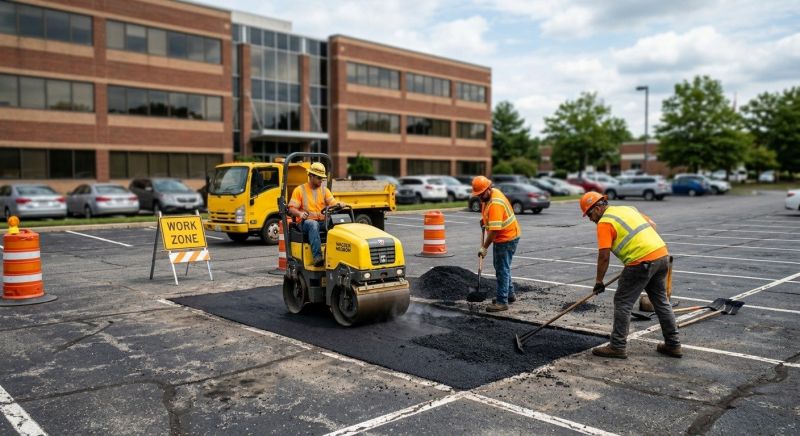
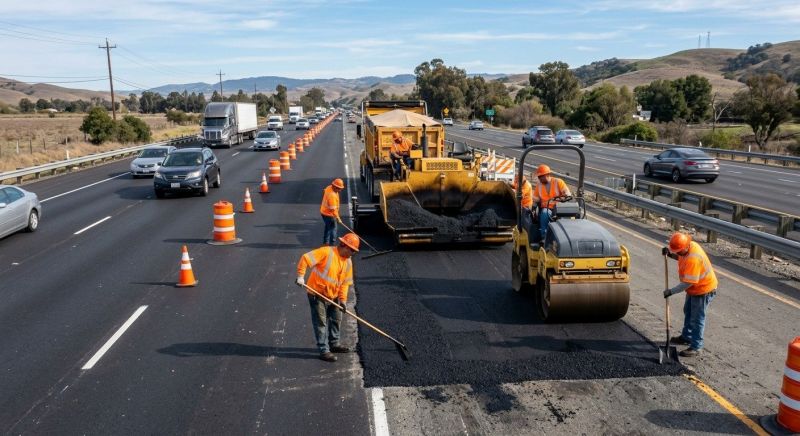
Highway Resurfacing - restores the surface of roads to improve driving safety and comfort.
Street Resurfacing - involves applying new asphalt to extend the lifespan of residential and commercial streets.
Parking Lot Resurfacing - refreshes parking areas to enhance appearance and functionality for property owners.
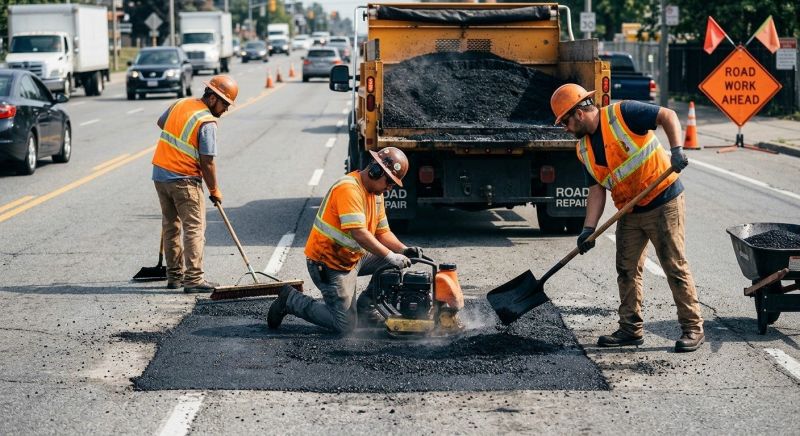
Road Repair - addresses cracks, potholes, and surface deterioration to maintain smooth traffic flow.
Asphalt Overlay - adds a new layer of asphalt over existing pavement for cost-effective surface renewal.
Surface Restoration - revitalizes aged or damaged road surfaces to improve durability and safety.
Highway Resurfacing Questions
What is highway resurfacing? Highway resurfacing involves applying new asphalt or overlay materials to restore a worn or damaged roadway surface, improving safety and durability.
When should a highway be resurfaced? Resurfacing is recommended when existing pavement shows signs of extensive cracking, potholes, or surface deterioration that affect driving conditions.
What types of projects typically require resurfacing? Projects include highway sections with high traffic volumes, deteriorated urban roads, and rural routes needing reinforcement and smoother surfaces.
What should property owners consider before resurfacing? It's important to assess the current condition of the pavement and consult with experts to determine the appropriate resurfacing approach for longevity.
Request Highway Resurfacing in Little Rock, AR
Use the quote form on this page to share the basics of your project and request more information for the type of work you need.